
Radiology Tech Programs in Quincy, MA

Radiology tech programs in Quincy, MA focus on training students for diagnostic imaging careers through a balance of classroom education and practical clinical experience in healthcare settings. These programs serve individuals entering the medical field for the first time as well as career changers seeking stable, in-demand healthcare roles within hospitals, imaging centers, and outpatient facilities throughout the region.
Why Choosing the Right Radiology Tech Program in Quincy, MA Impacts Career Success
Radiologic technology is a highly regulated healthcare profession, and formal education is essential for long-term success in the field. Programs in Quincy, MA are structured to meet national educational standards while also reflecting regional healthcare needs, clinical partnerships, and hiring trends. Coursework and training focus on safe equipment operation, precise patient positioning, radiation safety practices, and effective collaboration within clinical teams. These skills are essential for maintaining patient safety, ensuring accurate diagnostics, and establishing professional credibility in medical imaging roles.
Many radiology tech programs in Quincy, MA emphasize early clinical exposure, allowing students to apply classroom concepts directly in hospitals and diagnostic imaging facilities. Through real-world exposure, students gain confidence, learn workflow expectations, and develop an understanding of professional accountability.
From trauma imaging to routine outpatient exams, graduates enter the workforce with experience that mirrors actual job environments. For prospective students, the primary search intent is not just education, but programs that lead to certification eligibility, employment readiness, and long-term career stability.
Understanding Accreditation, Clinical Experience, and Program Design
Accreditation is one of the most important factors when evaluating radiology tech programs in Quincy, MA. Accredited programs meet established educational and clinical standards that are often required for certification, licensure, and employer recognition. Accredited curricula are designed to cover essential subjects such as anatomy, radiation science, imaging techniques, patient care, and ethics. Lack of accreditation can restrict access to certification exams and reduce post-graduation employment options.
Hands-on clinical experience is a defining feature of reputable radiology tech programs. Clinical rotations across various facilities expose students to multiple imaging modalities and diverse patient care environments.
Many programs build strong relationships with healthcare facilities in Quincy, MA, which can improve job placement and networking opportunities.
The most effective radiology tech programs in Quincy, MA align education, clinical experience, and certification preparation into a single, career-focused pathway.
Radiology Tech Certification Requirements and ARRT Preparation in Quincy, MA
Radiology tech programs in Quincy, MA are structured to prepare students for professional certification, which is a critical step toward employment in diagnostic imaging. Employers typically require radiology tech graduates to meet national certification standards, and training programs are aligned accordingly. Program curricula are structured around certification-tested subjects including radiation protection, anatomy, imaging procedures, patient care, and ethics. By aligning education with certification requirements, graduates are positioned to transition smoothly from graduation into professional practice.
Certification eligibility is closely connected to program accreditation and the quality of clinical training provided. Accredited programs require students to complete supervised clinical training that fulfills certification requirements and develops practical skills. In Quincy, MA, many programs coordinate clinical rotations with hospitals and imaging centers that reflect real workplace environments. Integrating certification preparation with clinical training helps reduce the gap between program completion and job readiness.
Radiology Tech Career Growth, Employment Outlook, and Placement Support in Quincy, MA
Diagnostic imaging plays a central role in healthcare, driving ongoing demand for qualified radiologic technologists. Programs in Quincy, MA benefit from regional healthcare growth that supports steady employment opportunities for graduates. Graduates may pursue roles in hospitals, outpatient imaging centers, specialty clinics, and diagnostic laboratories. Long-term job stability and growth opportunities strongly influence how prospective students compare radiology tech programs.
Many programs extend career preparation beyond technical training by offering job placement assistance, resume guidance, and professional development support. Clinical partnerships formed during training often translate into direct employment opportunities after graduation. Over time, radiologic technologists may advance into specialized imaging modalities or leadership roles, increasing earning potential. Evaluating how a program supports long-term career development is essential for students comparing radiology tech programs in Quincy, MA.
Frequently Asked Questions About Radiology Tech Programs in Quincy, MA
Radiology tech programs in Quincy, MA support individuals researching education options, credentialing pathways, and career outcomes in diagnostic imaging within hospitals, imaging centers, and outpatient medical settings.
What education is required to enroll in radiology tech programs in Quincy, MA?
Most radiology tech programs in Quincy, MA require a high school diploma or GED, with additional admission criteria determined by each school. Many programs expect completion of prerequisite coursework in subjects such as math, biology, anatomy, or medical terminology to prepare students for technical and clinical training. In addition to academic requirements, applicants may need to pass entrance exams, submit immunization records, complete background checks, or meet health screening standards prior to clinical placement. Because requirements vary between schools, prospective students should carefully review program-specific criteria before applying.
How important is accreditation for radiology tech programs in Quincy, MA?
Accreditation is one of the most important factors when selecting radiology tech programs in Quincy, MA, as it directly affects certification eligibility and employment prospects after graduation. Programs with accreditation follow established standards for education quality, instructional oversight, and clinical experience. Many employers prefer or require graduates from accredited programs, and certification bodies may restrict eligibility to approved educational pathways. Verifying accreditation before enrollment helps ensure long-term career mobility and professional credibility.
How long does it take to complete a radiology tech program in Quincy, MA?
Program length for radiology tech programs in Quincy, MA varies based on degree type and delivery format. Associate degree programs generally take about two years to complete, while certificate pathways may be shorter for students with prior education or healthcare experience. Completion timelines account for academic coursework as well as mandatory clinical training hours. When comparing programs, students should evaluate scheduling options and how clinical rotations fit into existing responsibilities.
What certification is required after completing radiology tech programs in Quincy, MA?
Graduates of radiology tech programs in Quincy, MA generally seek professional certification as a requirement for entering the workforce. Earning certification confirms a technologist’s knowledge of imaging techniques, radiation protection, patient care, and professional standards. Most certification pathways require graduation from an accredited program and completion of supervised clinical experience. Understanding certification requirements early helps students choose programs that align education, training, and credentialing into a single pathway.
What job opportunities exist after graduating from radiology tech programs in Quincy, MA?
Graduates of radiology tech programs in Quincy, MA may pursue entry-level positions in hospitals, outpatient imaging centers, specialty clinics, and diagnostic laboratories. In these roles, technologists conduct imaging exams, operate diagnostic equipment, and assist healthcare providers with patient care. Over time, technologists may expand into advanced imaging specialties or leadership positions. Career growth often continues through continuing education, advanced certifications, and long-term clinical experience.
Take the Next Step Toward a Career in Radiologic Technology in Quincy, MA
Radiology tech programs in Quincy, MA are designed to prepare students for diagnostic imaging careers through a combination of classroom instruction and hands-on clinical experience in healthcare settings. Selecting the right radiology tech program requires evaluating accreditation, certification readiness, and how education connects to long-term career opportunities. If you are exploring radiology tech programs, taking action early allows you to compare schools, confirm eligibility requirements, and identify programs aligned with your career goals. For both new students and career changers, informed planning helps streamline the transition from training to employment in medical imaging.
Prospective students should take time to review program offerings, connect with admissions teams, and verify clinical training placements. Many programs provide guidance on enrollment timelines, certification preparation, and career placement resources that support long-term growth. Start by evaluating radiology tech programs in Quincy, MA that match your schedule, educational background, and professional objectives, then take the next step toward a stable career in medical imaging.
Latest Blog Article about MRI program in Quincy, MA!
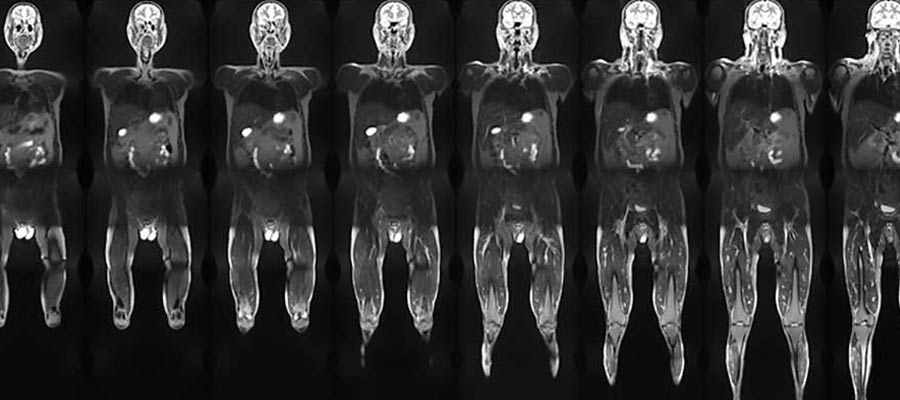
Online MRI Certification With Clinical Placement: How It Actually Works
Quick Answer Online MRI certification with clinical placement works by combining remote structured coursework with supervised in-person clinical experience. The best programs start placement planning early, match students [...]
Why Online MRI Programs Are Vital for Strong Staffing in Radiology
Quick Answer Online MRI programs can support radiology staffing by helping current RTs train into MRI without leaving the workforce. For employers, that can create an internal upskilling [...]
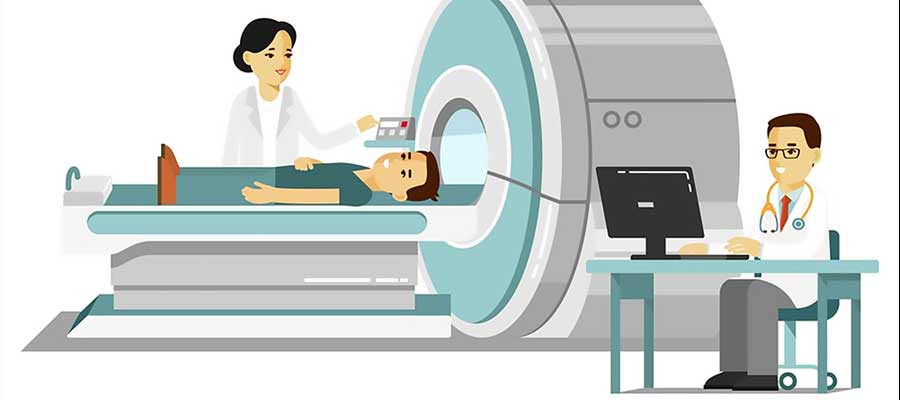
How to Become an MRI Technologist While Working Full Time
Quick Answer You can become an MRI technologist while working full time if the program is built around asynchronous coursework, structured education, clinical placement coordination, and a realistic [...]
Additional Info on MRI cross training in Quincy, MA…
Radiology tech programs in Quincy, MA offer structured education and hands-on clinical training for students pursuing careers in diagnostic imaging within hospitals, imaging centers, and outpatient healthcare facilities. Selecting the right program involves more than choosing a nearby school, as accreditation status, clinical rotation quality, and certification preparation all influence long-term career success. Many radiologic technology programs in Quincy, MA align coursework with real imaging environments, helping students develop technical skills, confidence, and professional readiness before graduation. Prospective students should review admission requirements, program length, and career placement support when comparing radiology tech schools. Understanding how education connects to certification and employment helps students transition efficiently from enrollment into stable roles in the medical imaging field.