
MRI, CT, and Mammography Clinical Training in Missouri
Pulse Radiology helps radiologic technologists and qualified imaging professionals in Missouri move from structured education into clinical training for advanced modality certification. If you are pursuing MRI, CT, or mammography credentials, this page outlines eligibility, documentation requirements, the placement process, and what to expect when you reach a clinical site.
Clinical training is where classroom knowledge becomes hands-on experience in a real patient-care setting. Pulse Radiology coordinates with clinical affiliates so eligible students can complete required competencies while maintaining professional standards for attendance, communication, patient care, and accurate documentation.
Clinical Training for Missouri Imaging Professionals
Pulse Radiology supports eligible students in Missouri seeking clinical training connected to MRI, CT, or mammography education. These programs support professionals who already have healthcare or imaging experience and need a structured pathway to complete clinical hours for certification.
Clinical placement is not just a formality. You need to demonstrate that you can work professionally in a healthcare environment, follow site policies, communicate clearly with clinical coordinators, and complete documentation accurately. A clinical site is a patient-care environment, and everything you do reflects on both your professionalism and the facility.
Placement availability depends on modality, affiliate capacity, your eligibility, and scheduling fit. Before you arrange time off work, travel plans, or certification timelines, confirm current Missouri options directly with Pulse Radiology.
Who This Training Is Built For
Pulse Radiology’s clinical training is for radiologic technologists, ARDMS sonographers, radiation therapists, nuclear medicine technologists, and other eligible imaging professionals who want to earn advanced credentials.
One key requirement: understand that clinical work is serious. A clinical site is not a classroom. Punctuality, professionalism, patient privacy, and clear communication matter from your first conversation with the clinical coordinator through your final case submission.
Not sure if you qualify? Contact Pulse Radiology and discuss which pathway fits your current credentials and career goal.
MRI, CT, and Mammography Clinical Requirements
Advanced imaging pathways combine structured education with documented clinical experience. Most postprimary certification pathways require students to complete and document procedures according to ARRT standards.
MRI students typically gain exposure to patient screening and MRI safety, anatomy and positioning, protocol awareness, image quality and troubleshooting, and real workflow inside the MRI environment.
CT students usually complete training in patient positioning and cross-sectional anatomy, protocol management, radiation safety, contrast considerations, and documentation of required exams.
Mammography students focus on positioning precision, patient communication during busy schedules, image quality verification, quality control procedures, and the unique professional standards of breast imaging.
How does this training build your confidence for licensure? Each clinical procedure you document represents genuine competency. Pulse Radiology ensures students understand anatomy, protocols, and troubleshooting so they move through clinical training with knowledge and preparation.
Required Documents Before Placement
Before clinical access is approved, students should have these items ready:
- Current state license, when applicable
- Current ARRT registration, when applicable
- Current BLS certification
- Current resume or CV
- HIPAA compliance agreement
- Tentative weekly clinical schedule
Submitting these early prevents delays. An expired license, missing certification, or incomplete compliance form can stall placement before you reach a clinical site.
You must complete the Pulse Radiology Online Structured Education program with a 75%+ grade before starting clinical training.
Approval from clinical leadership at affiliate centers is handled by the Pulse Radiology clinical coordination team. Be aware that not every clinical location can accommodate all modalities, so confirmation comes before final scheduling.
Questions about requirements or documents. Email [email protected] for answers.
How Clinical Placement Works
After you complete structured education and submit your documentation, you move into placement review. Pulse Radiology clinical coordinators guide communication protocols, attendance expectations, case submission procedures, and site-specific practices.
The process is organized and accountability-focused. Clinical affiliates need students who respond promptly, respect patient privacy, follow instructions, and treat the placement as a professional commitment, not a casual class.
The coordinator helps the process run smoothly. Your responsibility is to stay prepared, communicate clearly, and submit documentation with accuracy and care.
What to Expect at Your Clinical Site
Clinical training is your chance to connect technical knowledge with real workflow. This includes observing experienced technologists, practicing modality-specific procedures within site guidelines, learning how departments manage patient flow, and documenting the procedures required for your certification.
Each site has unique rules, schedule expectations, and onboarding steps. Follow instructions from your clinical coordinator and site contact carefully, especially regarding attendance, documentation accuracy, patient privacy, and professional conduct.
Strong clinical performance starts before day one. Students who prepare documents, understand expectations, and communicate early often report a more organized and manageable experience.
Why Missouri Clinical Training Matters
Pulse Radiology believes in scheduled, one-on-one clinical training sessions with access to one of our many clinical locations in Missouri.
If you are interested in potentially training at your employer or live outside of these clinical ranges, feel free to reach out to our clinical outreach team at [email protected]
Missouri Clinical Training FAQs
Does Pulse Radiology offer clinical training in Missouri?
Yes. Pulse Radiology lists clinical training availability for students in Missouri. Contact Pulse Radiology to confirm current Missouri affiliate availability, modality options, eligibility, and scheduling expectations for your situation.
What clinical training pathways can I choose?
Pulse Radiology offers clinical training connected to MRI, CT, and mammography pathways. Which path is right for you depends on your current credentials, your progress through structured education, and which certification you are pursuing.
What do I need to submit for placement?
Prepare your current state license if applicable, ARRT registration if applicable, BLS certification, resume or CV, HIPAA agreement, and a tentative weekly clinical schedule. Pulse Radiology can confirm exact requirements for your pathway.
Can I start clinical training while finishing structured education?
Placement usually begins after you complete structured education and submit documentation. If you are still completing coursework, please reach out to Pulse Radiology to inquire about when to prepare your clinical paperwork to ensure a smooth process.
How much travel is involved for Missouri clinical training?
Travel depends on affiliate availability in Missouri, your modality, scheduling flexibility, and where you live. Please confirm placement expectations with Pulse Radiology before finalizing any travel or work arrangements.
What if my employer is a clinical affiliate?
If your current employer has a clinical affiliate relationship with Pulse Radiology, training there is possible. If not, contact the clinical outreach team to discuss options that work for your situation.
What are Pulse Radiology’s student registry outcomes?
Pulse Radiology students who complete clinical training achieve the following:
- 92% passing rate on 1st attempt for test takers.
- 100% on 2nd attempt test takers.
- No Pulse student has ever taken the registry for a 3rd time.
Ready to Begin Clinical Training in Missouri?
The next step is to confirm your eligibility, gather the required documents, and lock in placement options specific to Missouri. The sooner you finalize your paperwork and schedule, the sooner you can begin clinical training with confidence.
To get started, contact Pulse Radiology at [email protected] or (646) 948-1500.
Blogs Related to Magnetic Resonance Imaging Clinical Couerces in Missouri
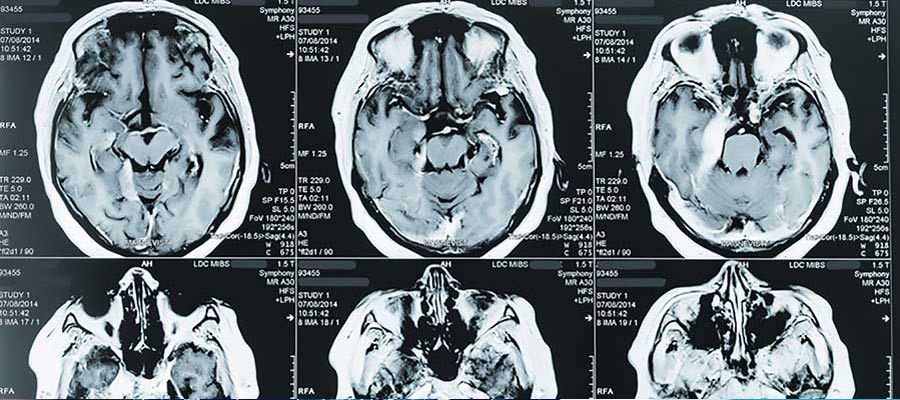
Does Enrollment in MRI Tech Programs Really Result in Higher Compensation?
Yes If you become an MRI technologist, there is normally a higher annual compensation than any other radiography position. You'll learn how to use specific parameters [...]
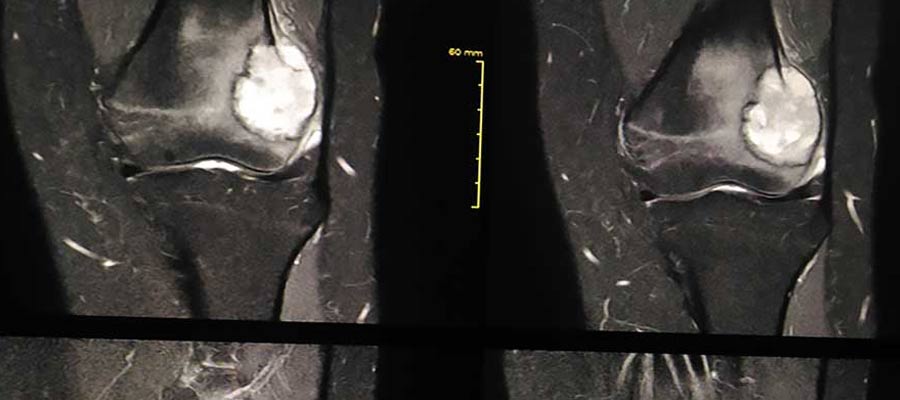
The Importance of MRI Online Programs for an MRI Technologist
Once a person gets a job, it can be easy for them to settle for what they have and stop learning. While this is possible in [...]
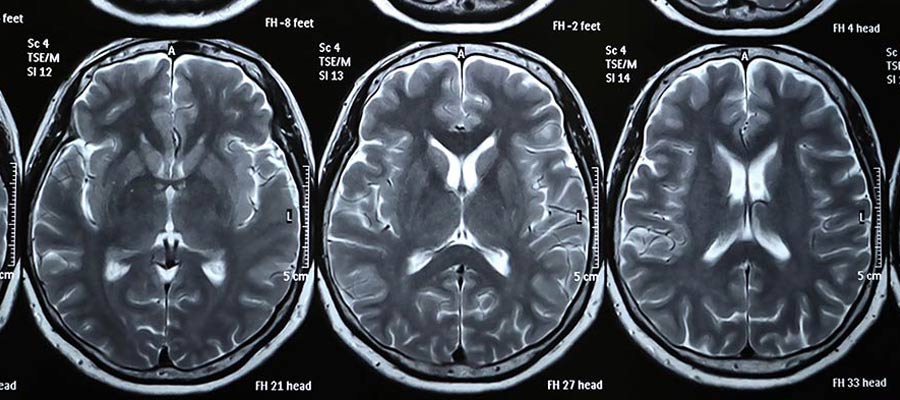
How to Register with the American Registry of Radiologic Technologists
The American Registry of Radiologic Technologists or ARRT is an organization that leads in providing credentials to healthcare professionals in the fields of medical imaging, radiation therapy, and [...]
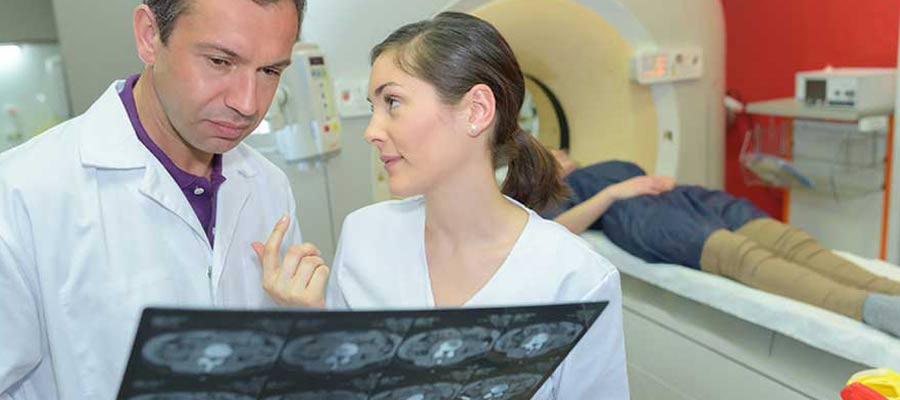
How MRI Tech Schools Help Your Career
Radiology techs who have been working with other machines like x-rays and ultrasounds can join MRI tech schools. This shift will allow them to start working with MRIs [...]
