
MRI, CT, and Mammography Clinical Training in Kentucky
Kentucky imaging professionals looking for MRI, CT, or mammography clinical training need guidance that explains the path without making placement sound automatic. Students should know what happens before training begins and what we review before we confirm a clinical site.
We help eligible Kentucky students connect structured education, documentation, clinical coordination, and hands-on training expectations for advanced imaging pathways.
Clinical Training Areas in Kentucky
Our Kentucky clinical training range includes Louisville and Lexington, with locations in nearby Cincinnati, OH.
Our clinical location references include Proscan and TriStar. These clinical locations are accessible to technologists within a 50-mile radius of these areas.
These local details help Kentucky students quickly understand whether the clinical range may fit their commute, schedule, and modality goal.
Kentucky Clinical Training Requires Readiness
Clinical training is where students enter a real healthcare environment and begin applying modality knowledge under site expectations. That means the student has to be ready before placement begins.
Readiness includes more than interest. Students need completed structured education, required documents, a realistic weekly schedule, and a clear modality goal. They also need to understand attendance, patient privacy, case submission, and professional communication expectations.
Kentucky students need to set those standards early.
Who Kentucky Clinical Training Helps
Our clinical training may support radiologic technologists, ARDMS sonographers, radiation therapists, nuclear medicine technologists, and other eligible imaging professionals seeking advanced modality credentials.
MRI, CT, and mammography each require different hands-on skills. MRI emphasizes safety screening, anatomy, positioning, protocol awareness, and image quality. CT focuses on cross-sectional anatomy, radiation safety, contrast considerations, protocols, and documentation.
Mammography adds patient communication, positioning accuracy, image-quality awareness, and quality-control expectations.
Required Documents for Kentucky Students
Students should prepare documentation before clinical placement review. Having these items ready can prevent avoidable delays.
- Current state license, when applicable
- Current ARRT registration
- Current Basic Life Support certification
- Current resume or CV
- HIPAA compliance agreement
- Tentative weekly clinical schedule
You must complete our Online Structured Education program with a 75%+ grade before starting clinical training.
Students with questions can call us with clinical training questions.
How Placement Review Works in Kentucky
After students complete the structured education course and submit documentation, they may move into placement review. Our clinical coordination team helps manage communication, attendance requirements, case submissions, and site-specific steps.
Affiliate center clinical leadership approval is coordinated through our team. Not every clinical location can accommodate each modality, so Kentucky students should confirm MRI, CT, or mammography availability before assuming a match.
We believe in scheduled, one-on-one clinical training sessions with access to one of the many clinical locations in Kentucky.
If you are interested in potentially training at your employer or live outside of these clinical ranges, contact our clinical outreach team.
Why Kentucky Students Should Confirm the Details
Clinical training guidance should not leave students guessing. Kentucky students should know that clinical placement depends on documentation, eligibility, scheduling, affiliate approval, and modality fit.
Those details protect the student from disappointment. They also help Pulse Radiology manage expectations in a way that feels professional and organized.
The best version of these requirements positions clinical training as a serious career step, not just a location on a map.
Kentucky Fact Sheet Proof Points
- 92% passing rate on 1st attempt for test takers.
- 100% on 2nd attempt test takers.
- No Pulse student has ever taken the registry a 3rd time.
Why Kentucky Students Should Treat Clinical Training Like a Career Step
Kentucky students should understand that clinical training is not just a requirement to complete. It is a professional step that can shape how prepared they feel for an advanced imaging credential.
That means students should speak with more authority than a basic directory listing. It should explain why attendance matters, why documentation has to be accurate, and why students need to respect site policies before they begin.
When Pulse frames clinical training this way, it attracts more serious students. It also helps Pulse Radiology present the process as structured, accountable, and built around real patient-care environments.
Kentucky students should also keep the registry goal in view. Clinical training is not separate from exam preparation. The hands-on phase reinforces the judgment, repetition, and confidence students need when they move from coursework into credentialing expectations.
Students should confirm details early with us before planning clinical schedules and timelines.
Kentucky Clinical Training FAQs
Do you offer clinical training in Kentucky?
Yes. We offer clinical training options for Kentucky students. Students should confirm current availability and modality support with us.
What is required before clinical training begins?
Students must complete our Online Structured Education program with a 75%+ grade before starting clinical training.
Who handles clinical placement communication?
Our clinical coordination team guides students through communication, attendance expectations, case submissions, and affiliate approval steps.
Are all modalities available at every Kentucky location?
No. Not every location can accommodate each modality, so MRI, CT, and mammography availability must be confirmed.
Can I train at my employer?
Employer-based training may be possible in some situations. Please contact us so the clinical outreach team can review your question.
Begin Kentucky Clinical Training With Clear Next Steps
Kentucky students should complete structured education, gather documentation, and ask Pulse Radiology which clinical options fit their modality goal. Call us at (646) 948-1500.
Blogs Related to MRI Clinical Training in Kentucky
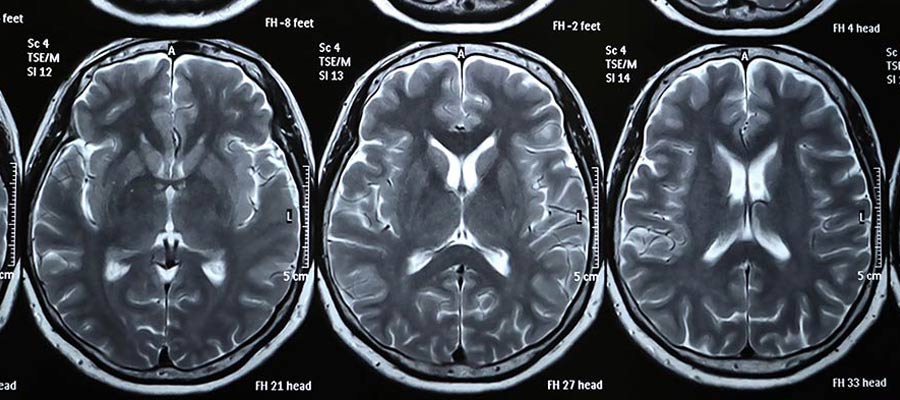
How to Register with the American Registry of Radiologic Technologists
The American Registry of Radiologic Technologists or ARRT is an organization that leads in providing credentials to healthcare professionals in the fields of medical imaging, radiation therapy, and [...]
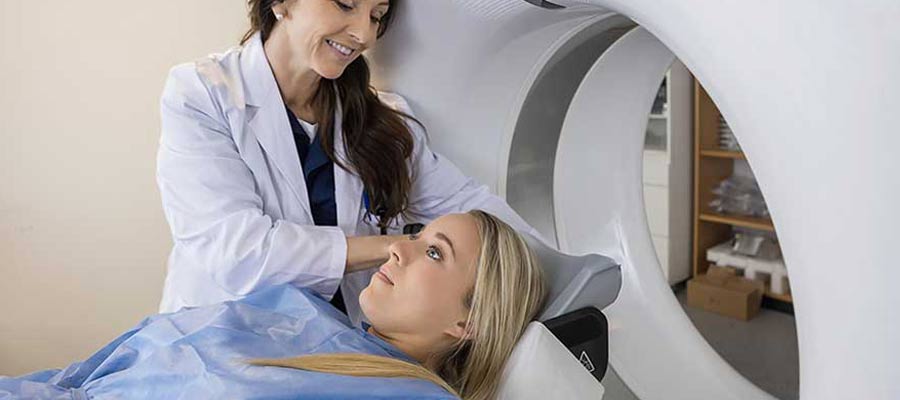
The Pros of Getting CE Credits for ARRT
When a large entity like ARRT starts creating certain requirements for radiology techs, these requirements must have pros. Obtaining CE credits for ARRT isn't just about completing a [...]
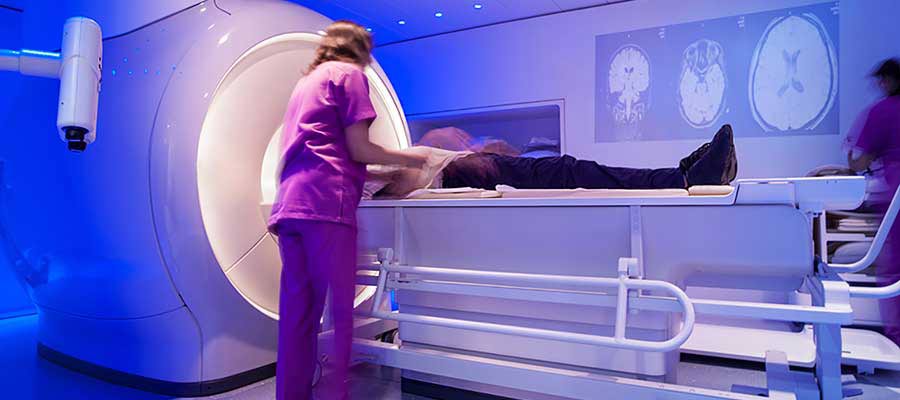
How to Find MRI Programs Near You
Do you want to advance your MRI technologist career, but you have no idea on how to start? First, you've got to be a professional in [...]

Why Join the American Society of Radiologic Technologists?
If you're a healthcare professional working in the field of radiation therapy or medical imaging, you must seriously consider joining the American Society of Radiologic Technologists. [...]
