
MRI, CT, and Mammography Clinical Training in Illinois
Illinois imaging professionals who want to advance into MRI, CT, or mammography need guidance that explains the clinical process clearly before they apply. The student should understand what we require, how placement review works, and why clinical training depends on preparation, documentation, and affiliate approval.
We support eligible Illinois students through structured education, clinical documentation review, coordination with affiliate centers, and hands-on training expectations for advanced modality pathways.
Clinical Training Areas in Illinois
Our Illinois clinical training range includes Chicago and surrounding cities: River North, Crystal Lake, Schaumburg, and Moline.
Our clinical location references include Rayus Radiology and Akumin. These clinical locations are accessible to technologists within a 50-mile radius of these areas.
These local details help Illinois students quickly understand whether the clinical range may fit their commute, schedule, and modality goal.
Illinois Students Need a Practical Clinical Checklist
Clinical training is not just the next step after online education. It is the practical stage where students begin applying technical knowledge in a real healthcare environment.
For Illinois students, that means being ready to communicate professionally, follow attendance expectations, protect patient privacy, submit case documentation, and respect site-specific rules. Those expectations should be spelled out clearly so students know what they are stepping into.
Clear Illinois guidance also helps students understand whether they are ready to move forward. Students who understand the requirements are more likely to submit clean documentation and ask better questions.
Who Illinois clinical training is for
Our clinical training may fit radiologic technologists, ARDMS sonographers, radiation therapists, nuclear medicine technologists, and other eligible imaging professionals pursuing MRI, CT, or mammography credentials.
MRI students need clinical exposure to patient screening, MRI safety, anatomy, positioning, protocol awareness, and image-quality review. CT students need experience with cross-sectional anatomy, radiation safety, contrast considerations, patient positioning, and exam documentation.
Mammography students work in a different rhythm. Positioning accuracy, patient communication, image quality, and quality-control awareness matter heavily in that pathway.
Illinois Documentation Requirements
Students should prepare documentation before clinical placement review begins. A missing item can delay the process before a student reaches a clinical site.
- Current state license, when applicable
- Current ARRT registration
- Current Basic Life Support certification
- Current resume or CV
- HIPAA compliance agreement
- Tentative weekly clinical schedule
You must complete our Online Structured Education program with a 75%+ grade before starting clinical training.
You can send us questions about documentation or clinical training.
How Illinois Clinical Placement Works
After structured education and documentation are complete, eligible students may move into the placement review. Our clinical coordination team helps manage communication, attendance expectations, case submissions, and site-specific procedures.
Our team coordinates approval from affiliate center clinical leadership. Students should also understand that not every clinical location can accommodate each modality, so MRI, CT, and mammography availability must be confirmed.
We believe in scheduled, one-on-one clinical training sessions with access to one of our clinical locations in Illinois.
Why Modality Fit Matters in Illinois
A student may be ready for clinical training but still need the right site for the right modality. MRI, CT, and mammography use different workflows, equipment, patient-care requirements, and supervision needs.
That is why students should avoid making clinical placement sound automatic. A better message is stronger and safer: We help eligible students work through placement review, but availability must be confirmed before schedules are finalized.
If you are interested in potentially training at your employer, or if you live outside the available clinical ranges, contact our clinical outreach team.
Illinois Fact Sheet Proof Points
- 92% passing rate on 1st attempt for test takers.
- 100% on 2nd attempt test takers.
- No Pulse student has ever taken the registry a 3rd time.
These proof points matter because they provide students a reason to trust the process beyond the basic training description.
Why Illinois Students Should Prepare Before Asking for a Site
A serious student should not wait for placement review to discover that a document is missing or a schedule is unrealistic. The clinical coordination process works better when the student already understands the grade requirement, has current credentials ready, and knows which modality they want to pursue.
A direct answer that explains eligibility, documents, placement review, and modality limits provides Illinois students clearer guidance before they call.
Illinois students should use these requirements as a preparation checklist before contacting us. That keeps the conversation focused on clinical fit instead of basic missing requirements.
Illinois Clinical Training FAQs
Does Pulse Radiology list Illinois for clinical training?
Yes. We offer clinical training options for Illinois students. Students should confirm current affiliate availability, modality fit, and scheduling expectations with us.
What grade is required before clinical training?
Students must complete our Online Structured Education program with a 75%+ grade before starting clinical training.
Can every Illinois site support MRI, CT, and mammography?
No. Not every clinical location can accommodate every modality. Students should confirm whether their chosen pathway is supported before making plans.
What documents should I prepare?
Prepare your current state license if applicable, ARRT registration, BLS certification, resume or CV, HIPAA compliance agreement, and tentative weekly clinical schedule.
Can I ask about employer-based training?
Yes. Students interested in training at their employer should contact our clinical outreach team.
Start Illinois Clinical Training With Pulse Radiology
Illinois students should complete structured education, gather documentation, and confirm placement options before committing to a training timeline. Call us at (646) 948-1500.
Blog Post Related to Magnetic Resonance Imaging Courses in Illinois
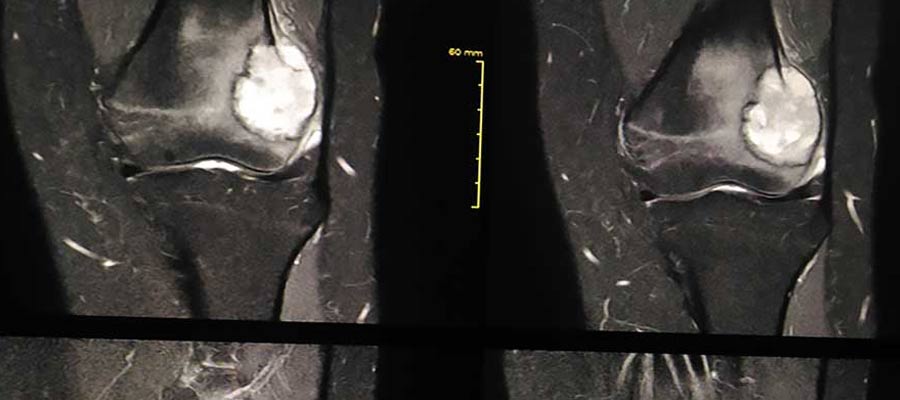
The Importance of MRI Online Programs for an MRI Technologist
Once a person gets a job, it can be easy for them to settle for what they have and stop learning. While this is possible in [...]
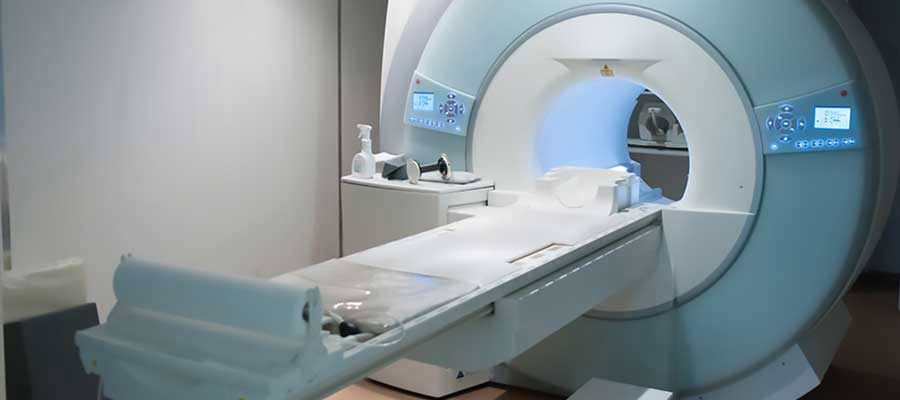
How to Choose Schools that Offer MRI Tech Programs
MRI stands for Magnetic Resonance Imagery. Professionals or technologists are trained in using magnetic forces and radio waves to create images of the organs inside the [...]
How to Prepare for The ARRT MRI Registry Through MRI Programs
So, you're considering career advancement as an MRI technologist. That's great news, as the medical imaging industry always needs more reliable technologists to meet the needs [...]
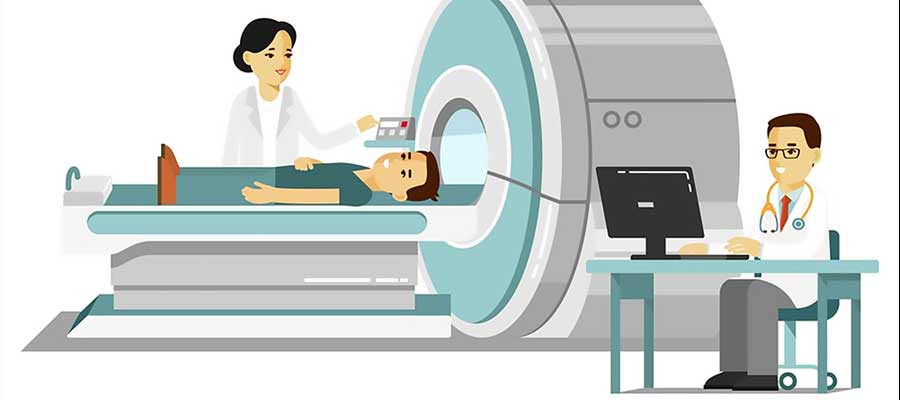
Career Prospects Unlocked with MRI Programs
One of the main factors people consider before deciding on a career path is the career's prospects. A person might be incredibly interested in a particular [...]
