MRI, CT, and Mammography Clinical Training in Alaska
Alaska students often need a clinical training page that answers one question quickly: how do I move from structured education into real clinical experience without losing time or guessing at the requirements?
Pulse Radiology helps eligible imaging professionals in Alaska prepare for MRI, CT, and mammography clinical training by clearly outlining the required documents, educational requirements, placement review process, and communication expectations prior to clinical access approval.
Clinical Training in Alaska Starts With Preparation
Clinical training is the bridge between structured education and documented real-world competency. It gives students the chance to apply their knowledge of modalities in a supervised healthcare environment where attendance, patient care, safety, and documentation all matter.
For Alaska students, preparation is especially important because placement options can depend on the availability of modalities, affiliate capacity, student location, and scheduling fit. The smoother the paperwork is, the easier it is for the clinical coordination team to evaluate the next step.
Pulse Radiology students should not treat clinical placement like an automatic assignment. It is a coordinated process that depends on approval, communication, and site readiness.
Eligible Students and Modality Paths
Pulse Radiology’s clinical training may be a good fit for radiologic technologists, ARDMS sonographers, radiation therapists, nuclear medicine technologists, and other qualified imaging professionals pursuing advanced modality credentials.
Some students want MRI because they are ready for a more specialized imaging role. Others pursue CT because cross-sectional imaging can expand career flexibility. Mammography students need a different kind of hands-on discipline, including positioning, patient communication, and quality-control awareness.
The strongest Alaska page should address all three pathways without pretending that every location supports every modality. Pulse’s original language is clear on that point: not every clinical location can accommodate each modality.
What to Submit Before Placement Review
Students should prepare the required documentation before asking about placement timing. Pulse Radiology needs enough information to confirm that a student is eligible and ready to enter a clinical environment.
Required or commonly requested items include:
- Current state license, when applicable
- Current ARRT registration
- Current Basic Life Support certification
- Current resume or CV
- HIPAA compliance agreement
- Tentative weekly clinical schedule
You must complete the Pulse Radiology Online Structured Education program with a 75%+ grade before starting clinical training. Keep this requirement visible. It tells students there is a clear academic threshold before the clinical phase begins.
Placement Approval and Clinical Coordination
Once documentation is submitted, Pulse Radiology’s clinical coordination team helps manage placement review. That includes communication expectations, case submission instructions, attendance standards, and site-specific requirements.
Affiliate center clinical leadership approval is part of the process. Pulse Radiology coordinates that approval, but students still need to stay responsive and professional from the start.
Pulse Radiology believes in scheduled, one-on-one clinical training sessions with access to one of Alaska’s many clinical locations.
Students interested in training at their employer or those who live outside the available clinical ranges should contact the clinical outreach team at [email protected].
What Alaska Students Gain From Clinical Training
Clinical training helps students turn concepts into repeatable professional habits. MRI students may practice safety screening, patient positioning, anatomy review, protocol awareness, and image-quality decision-making.
CT training often involves cross-sectional anatomy, positioning, radiation safety, contrast considerations, protocol selection, and exam documentation.
Mammography training requires careful attention to patient comfort, positioning precision, image quality, quality control, and communication during a sensitive exam.
That hands-on experience is what makes the clinical phase so valuable. It prepares students for both registry expectations and the reality of working inside an imaging department.
Pulse Radiology Fact Sheet
Alaska student outcome data.
- 96% passing rate on the 1st attempt for test takers.
- 100% on 2nd attempt test takers.
Why Documentation Matters More in Alaska
Alaska students may have fewer convenient training options than students in larger metro-heavy states, so paperwork problems can create real delays. A missing BLS card or an unclear weekly schedule can slow down placement review and make coordination harder than it needs to be.
That is why the page should encourage early preparation. Students should know exactly what to gather before they ask about timing, location, or modality fit. Clear expectations reduce back-and-forth and help Pulse Radiology look organized from the first interaction.
Alaska Clinical Training FAQs
Is Alaska listed as a Pulse Radiology clinical training state?
Yes. Pulse Radiology lists clinical training availability in Alaska. Students should contact Pulse to confirm current affiliate availability and modality fit.
What grade do I need before clinical training?
Pulse Radiology states that students must complete the Online Structured Education program with a grade of 75% or higher before beginning clinical training.
Are all modalities available at every Alaska clinical location?
No. Pulse Radiology’s original language states that not every clinical location can accommodate every modality. The availability of MRI, CT, and mammography should be confirmed before planning.
What documents should I gather first?
Prepare your state license if applicable, ARRT registration, BLS certification, resume or CV, HIPAA agreement, and tentative weekly clinical schedule.
Can Pulse help if I live outside a clinical range?
Yes. Students outside the listed clinical ranges, or those interested in training at their employer, should email [email protected] to discuss options.
Start the Alaska Clinical Training Conversation
Alaska students should begin by confirming eligibility, completing the 75%+ structured education requirement, and preparing documentation for placement review. Contact Pulse Radiology at (646) 948-1500.
Post Related to MRI Clinical Classes in Alaska
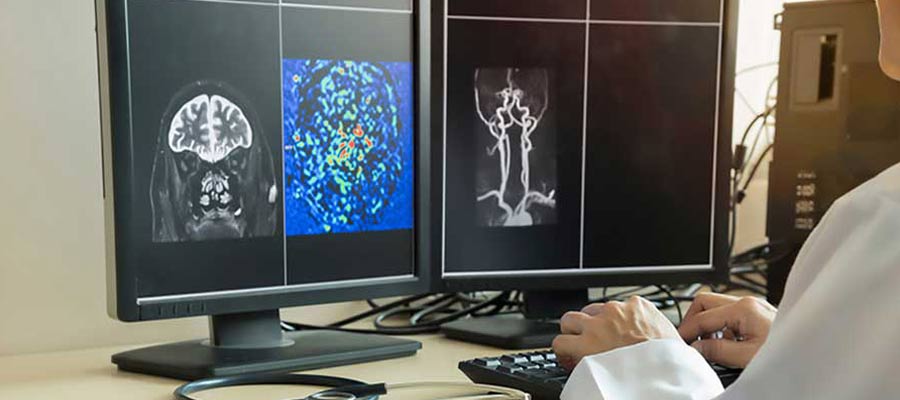
How CE Credits for ARRT Count and Where to Get Them
Obtaining CE credits for ARRT can be troublesome if you don't know where to look, but it's easy to get if you do. If you're short on [...]
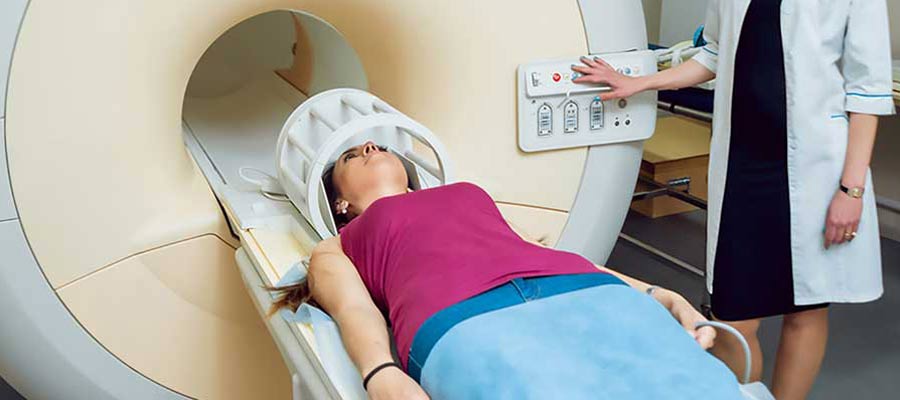
Reasons to Look for MRI Tech Schools
It's only natural for those looking to become MRI technologists to look for MRI tech schools. Your search has to be thorough and detailed. There are [...]
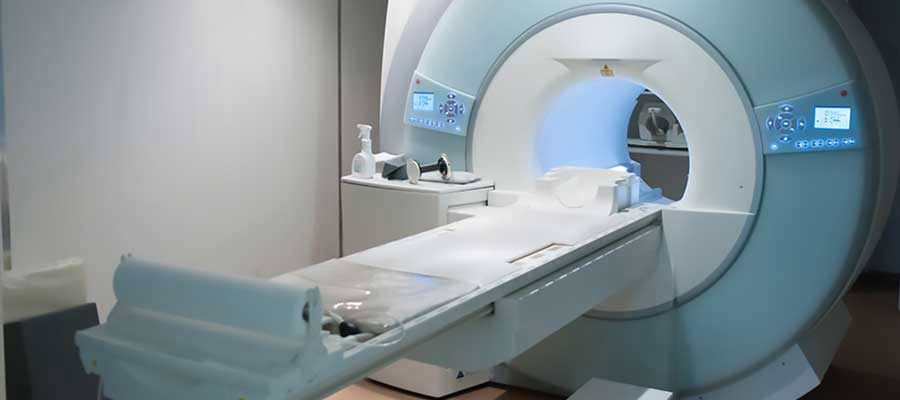
How to Choose Schools that Offer MRI Tech Programs
MRI stands for Magnetic Resonance Imagery. Professionals or technologists are trained in using magnetic forces and radio waves to create images of the organs inside the [...]
MRI Registry Review Tips to Prepare You for the Exams
What are the best methods to perform a solid MRI registry review? If you're preparing for your MRI registry exam, you've come a long way, and the [...]
