
MRI, CT, and Mammography Clinical Training in Iowa
Iowa students pursuing advanced imaging credentials need more than a thin state clinical training option. They need to know what we require before clinical training, what documents to prepare, and how clinical placement is reviewed.
We support eligible Iowa radiologic technologists and imaging professionals with a clinical training process built around structured education, documentation, coordination, and modality-specific expectations.
Iowa Clinical Training Should Be Clear From the Start
Clinical training is the practical bridge between coursework and competency. It is where students apply knowledge inside a real patient-care setting and begin documenting the experience connected to their credential pathway.
For Iowa students, students should make the order of operations clear. Complete structured education. Prepare documentation. Submit clinical paperwork. Work through placement review. Confirm modality availability before assuming a site can support the pathway.
That structure reduces confusion and helps students move forward with confidence.
Who Iowa Clinical Training Is For
Our clinical training may be appropriate for radiologic technologists, ARDMS sonographers, radiation therapists, nuclear medicine technologists, and other qualified imaging professionals.
Students may be pursuing MRI, CT, or mammography for different reasons. Some want a specialized modality. Some want broader career flexibility. Some need a pathway that fits their current healthcare background.
Students should understand those motivations while still seeing the clinical process clearly and accurately.
Iowa Student Documentation Checklist
Students should prepare required documentation before placement review begins. A complete file helps Pulse Radiology evaluate readiness and coordinate next steps.
- Current state license, when applicable
- Current ARRT registration
- Current Basic Life Support certification
- Current resume or CV
- HIPAA compliance agreement
- Tentative weekly clinical schedule
You must complete our Online Structured Education program with a 75%+ grade before starting clinical training.
For questions about clinical requirements, please call us.
How Iowa Clinical Placement Is Reviewed
After students submit structured education and documentation, they may become eligible for clinical placement review. Our clinical coordination team helps guide communication, attendance, case submission procedures, and site-specific expectations.
Our team coordinates approval from affiliate center clinical leadership. Not every clinical location can accommodate each modality, so students should confirm whether MRI, CT, or mammography is available for their situation.
We believe in scheduled, one-on-one clinical training sessions with access to one of our many clinical locations in Iowa.
If you are interested in potentially training at your employer or live outside of these clinical ranges, contact our clinical outreach team.
What Iowa Students Build During Clinical Training
Clinical training develops more than technical familiarity. It develops professional habits. Students learn how to follow site workflow, communicate with patients and staff, protect privacy, document cases, and respond to real clinical conditions.
MRI training may focus on safety and scan workflow. CT training may focus on protocols, anatomy, radiation safety, and documentation. Mammography training may focus on positioning precision, patient communication, and quality standards.
Those differences are why students should not treat all modality pathways as interchangeable.
Why Iowa Students Should Prepare Early
Prepared students make placement reviews easier. If documentation is current, the schedule is realistic, and the modality goal is clear, we have a stronger foundation for the next conversation.
This information is also important for students comparing programs. Clear Iowa guidance shows that clinical training follows a process, not just a location list.
That process is what gives serious students the confidence to apply.
Iowa Fact Sheet Proof Points
- 96% passing rate on 1st attempt for test takers.
- 100% on 2nd attempt test takers.
Why Iowa Students Need More Than a Location List
Iowa students do not benefit from generic training language that only names the state. They need to know what happens before placement, how we evaluate readiness, and what details can delay the process.
Iowa students should answer those questions in plain language. It should explain the 75%+ grade requirement, the documentation checklist, the role of clinical coordination, and the fact that modality availability must be confirmed.
That extra clarity improves the student experience and gives the guidance a stronger chance to perform in search and AI-generated answers.
Iowa Clinical Training FAQs
Does Pulse Radiology list Iowa for clinical training?
Yes. Iowa is listed as one of our clinical training states. Students should contact us to confirm current modality and affiliate availability.
What grade do I need before clinical training?
Students must complete our Online Structured Education program with a 75%+ grade before starting clinical training.
What documents are required?
Students should prepare a current state license if applicable, ARRT registration, BLS certification, a resume or CV, a HIPAA compliance agreement, and a tentative weekly clinical schedule.
Can every Iowa clinical location support all modalities?
No. Not every location can accommodate every modality. MRI, CT, and mammography availability must be confirmed.
What if I want to train through my employer?
Students interested in employer-based training should contact our clinical outreach team.
Talk With Pulse Radiology About Iowa Clinical Training
Iowa students should confirm eligibility, complete structured education, and gather documents before placement review. Call us at (646) 948-1500.
Post Related to Magnetic Resonance Imaging Clinical Couerces in Iowa
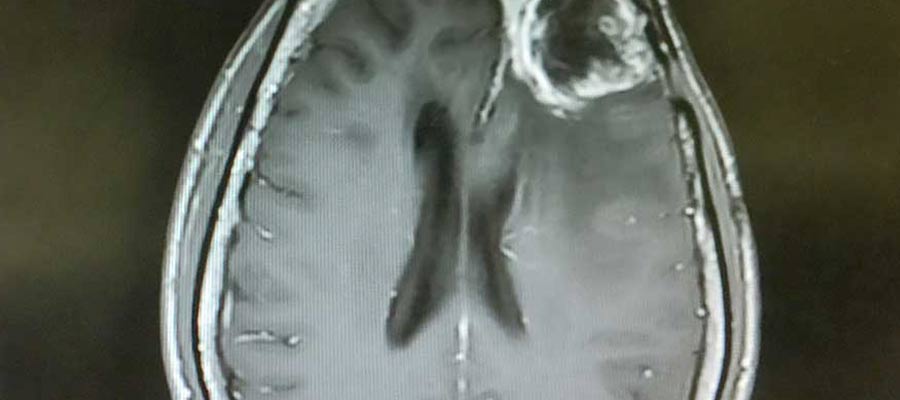
COVID-19 Has Universities Flocking to Online Education
With current events focused solely on the COVID-19 pandemic, universities, and students around the world after flocking to online education. The precaution to help limit the [...]
Pulse Radiology and GoHealth Urgent Care Enter into Exclusive Educational Agreement in the New York Metropolitan Area
NEW YORK, New York, July 12, 2019 Pulse Radiology Education, LLC (Pulse), a national leader in post-primary ARRT education providing comprehensive, online structured education in MRI, Computed [...]
Advantages of Learning at an Online MRI Tech School
To become a good Magnetic Resonance Imaging technologist, you must get MRI education and training from an exemplary MRI tech school. Do note, though, that the [...]
How CE Credits for ARRT Can Enhance Your Career
CE credits for ARRT are required to keep your license as a radiology tech. You need 24 credits every two years. Not having 24 credits at [...]
